0

Blog

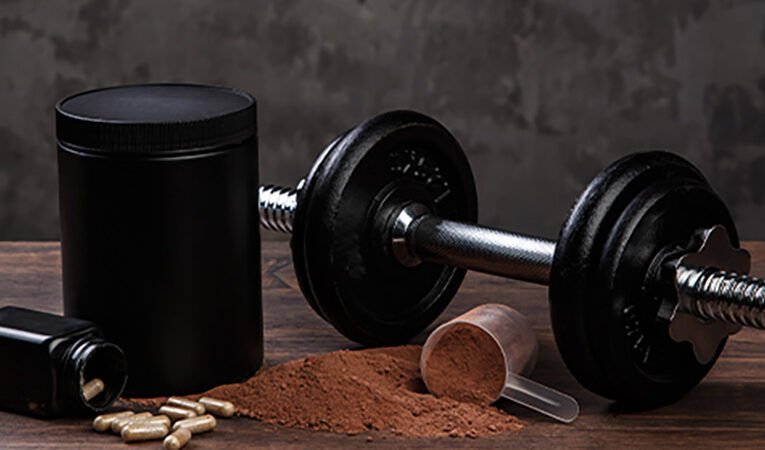
Top 10 Protein-Rich Foods for Muscle Gain

Building muscle requires more than just lifting weights—it demands proper nutrition, with protein being the most important macronutrient for growth and repair. Protein provides the essential amino acids your muscles need to recover after training, making it the foundation of any muscle-gain diet. From lean meats to plant-based options, there’s a wide variety of protein-rich foods that can fuel your progress in the gym while keeping your diet enjoyable and balanced. Some of the top protein sources include chicken breast, eggs, Greek yogurt, fish, lean beef, and plant-based choices like lentils, quinoa, and tofu. Each source offers unique benefits—animal proteins are often complete, providing all nine essential amino acids, while plant proteins bring additional fiber, vitamins, and minerals. Combining different protein sources throughout the day ensures optimal recovery and sustained energy levels. By prioritizing protein at every meal, you not only build lean muscle but also support fat loss, metabolism, and long-term health.
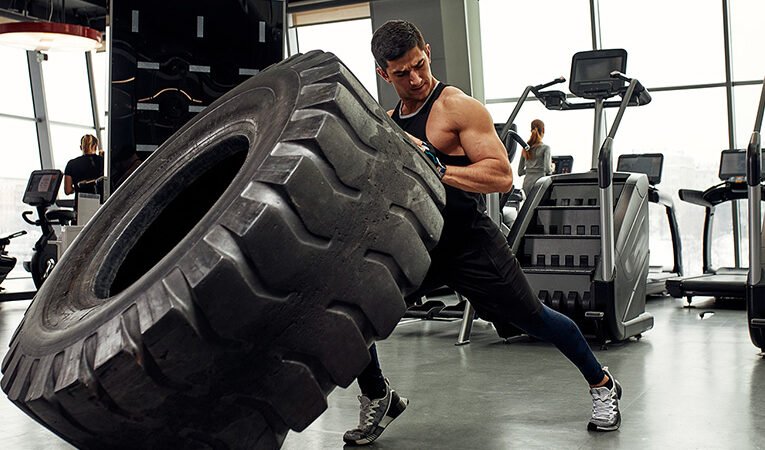

The Science Behind HIIT: Why It Works

High-Intensity Interval Training (HIIT) has become a fitness buzzword, but its effectiveness is backed by science. HIIT involves alternating between short bursts of intense effort and brief recovery periods, allowing you to burn more calories in less time compared to traditional steady-state cardio. The rapid switch between effort and rest creates a powerful metabolic effect known as “afterburn,” where your body continues to burn calories long after the workout ends. This makes HIIT an excellent choice for those seeking fat loss, endurance improvement, and time-efficient training. Physiologically, HIIT enhances both aerobic and anaerobic systems. The intense intervals push your cardiovascular system to adapt by improving heart efficiency, lung capacity, and oxygen utilization. At the same time, your muscles learn to perform under fatigue, which translates into better stamina and strength during other workouts. Studies show that HIIT can also help regulate blood sugar, improve insulin sensitivity, and support heart health. Whether you’re sprinting, cycling, or doing bodyweight circuits, the adaptability of HIIT ensures that it works for beginners and advanced athletes alike.

Best Warm-Up Routines Before Strength Training

Before diving into heavy lifting, preparing your body through an effective warm-up routine is crucial. Warming up increases blood flow to the muscles, lubricates the joints, and primes your nervous system for the demanding movements that follow. A well-structured warm-up not only helps prevent injuries but also boosts overall strength performance by activating the right muscle groups. Instead of rushing through a few stretches, dedicating just 10–15 minutes can make a noticeable difference in your workout quality. Dynamic warm-ups, such as bodyweight squats, lunges, arm circles, and light cardio, help elevate your heart rate while mimicking the movements you’ll perform during strength training. Mobility drills for the hips, shoulders, and ankles further enhance your range of motion, making lifts smoother and safer. By progressing gradually from low-intensity exercises to movement-specific drills, you set yourself up for improved form, greater power output, and a reduced risk of strain. Ultimately, warming up isn’t just about avoiding injuries—it’s about unlocking your peak performance in every session.

1209 MOUNTAIN RD PL NE STE R
ALBUQUERQUE, NM 87110, USA

OPEN HOURS

Everyday: 9:00 am – 10:00 pm

Sat-Sun: 10:00 am – 6:00 pm

CALL US AT:

Copyright © 2026 falconfit.pro. All Rights Reserved.